Yes, stress and anxiety can cause erectile dysfunction, or make an existing issue worse. An erection depends on your nervous system being in "rest" mode, and stress pushes it into "alert" mode instead. The good news: when anxiety is a main driver, erection problems are often very treatable. The key is a proper evaluation, because psychological and physical causes frequently overlap.
If you've had a difficult experience and now find yourself worrying about the next one, you're far from alone. It's one of the most common patterns men describe, and it's also one of the most misunderstood. Here's what's actually happening, how to tell the difference, and what helps.
Can stress cause erectile dysfunction?
Stress can cause erectile dysfunction because an erection is a relaxation response. Arousal relies on the parasympathetic nervous system to let blood flow in; stress activates the opposite system, releasing adrenaline that tightens blood vessels and pulls focus elsewhere. Your body is effectively prioritizing "danger" over intimacy.
This applies to chronic, everyday stress as much as acute nerves. Work pressure, money worries, poor sleep, relationship tension, and burnout all keep the body in a low-grade alert state. Research backs the link: a review published in PMC found that men with anxiety disorders are at high risk of developing ED.
It also works in both directions. One stressful encounter can create worry about the next, and that worry makes the next one harder. Clinicians call this the anxiety cycle, and breaking it is often the first goal of care.
Do I have ED or am I just anxious?
You can't reliably tell on your own, which is why a provider evaluation matters. That said, a few patterns point more toward anxiety and a few point more toward a physical cause. Many men have a mix of both.
| More often linked to anxiety or stress | More often linked to physical causes |
|---|---|
| Started suddenly, sometimes after one difficult experience | Came on gradually over months or years |
| Varies by situation, partner, or stress level | Happens consistently, regardless of situation |
| Erections still occur during sleep or on waking | Morning erections are rare or weaker than before |
| Linked to a stressful life period | Linked to other health factors: blood pressure, blood sugar, weight, smoking |
Use this as a starting point for conversation, not a self-diagnosis. According to the Mayo Clinic, ED can be an early sign of other conditions, including heart disease, so even if stress feels like the obvious answer, it's worth ruling out what's underneath.
Can you develop ED in your 30s?
Yes. ED isn't only an older man's concern, and men in their 20s and 30s experience it more often than most people assume. In younger men, psychological factors like stress, anxiety, and relationship strain are common contributors, but they're rarely the only story.
A 2025 narrative review on ED in young adults points to lifestyle behaviors as important risk factors as well: smoking, heavy drinking, physical inactivity, and excess weight, along with certain medications. Hormones can play a role too. If you're also dealing with low energy, low drive, or changes in mood, it's worth reading about how to know if your testosterone is low.
Does psychological ED go away?
Psychological ED often improves significantly, especially when the underlying stress or anxiety is addressed directly. Many men find that once the pressure of "will it happen again?" eases, function returns. How quickly that happens varies from person to person, and there's no fixed timeline.
What tends to help:
- Talking to a provider so physical causes are ruled out and you have a clear plan
- Addressing the source of stress, whether that's sleep, workload, or relationship tension
- Counseling or sex therapy, particularly approaches that target performance anxiety
- Open communication with your partner, which lowers pressure on both sides
- Everyday foundations: regular movement, less alcohol, not smoking, and better sleep
If anxiety is affecting more of your life than the bedroom, a licensed mental health professional can be a valuable part of your care team.
Does ED medication help with performance anxiety?
Prescription ED medication can help some men with anxiety-related ED by making erections more reliable, which in turn can ease the worry that feeds the cycle. It supports blood flow; it doesn't treat anxiety itself. That's why it works best as one part of a plan, not the whole plan.
A licensed provider will look at your health history, current medications, and cardiovascular health before prescribing anything, and will help decide whether medication makes sense for you at all. If you're curious how the most commonly prescribed options compare on timing and duration, our sexual health treatment guide covers the details.
How does NuHealth approach anxiety-related ED?
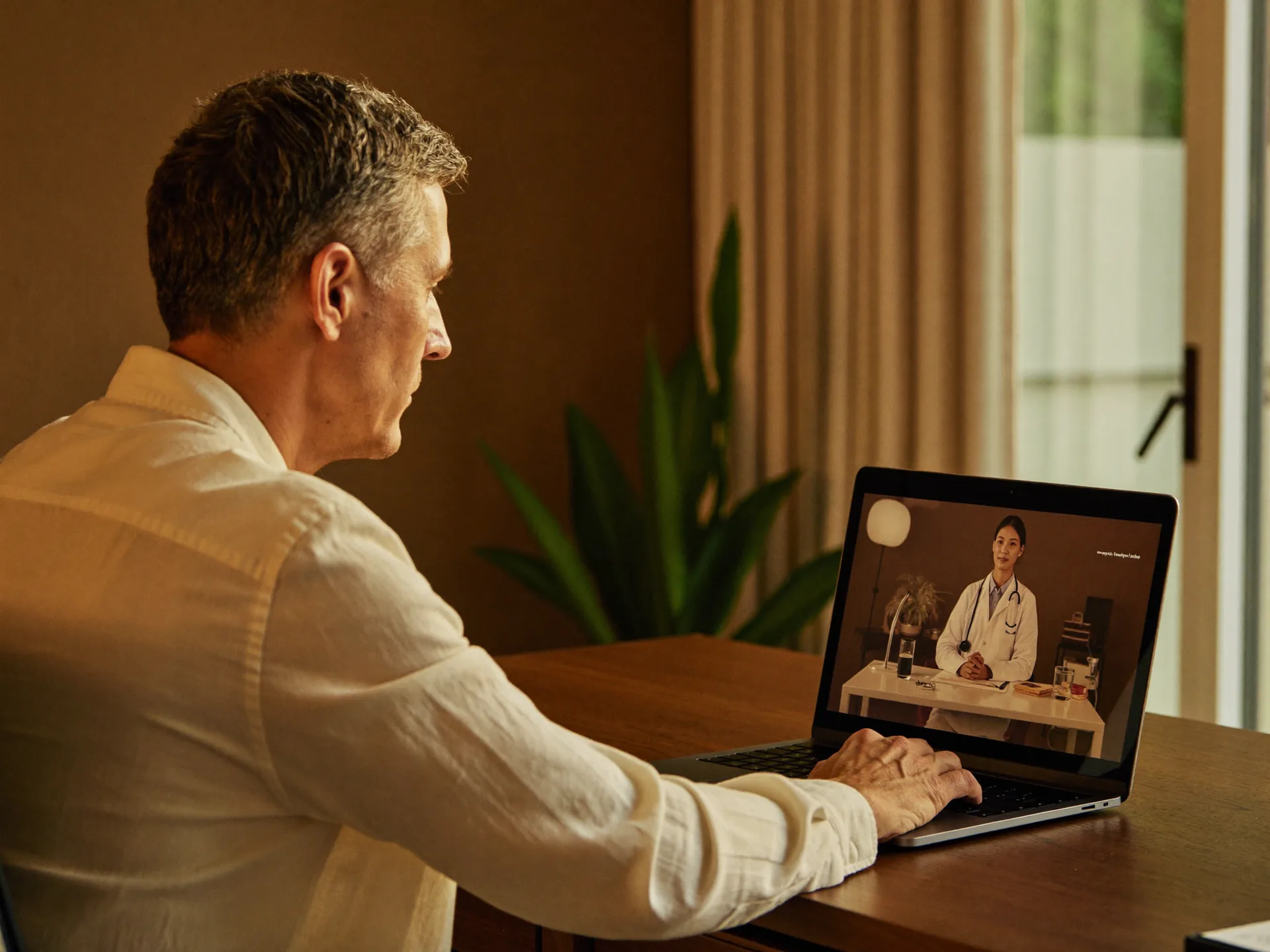
NuHealth treats sexual health as a medically supervised program, not a one-time prescription. Your provider looks at the whole picture, including stress, sleep, hormones, and cardiovascular health, and builds a personalized plan from there.
That program-based approach matters most here, because anxiety-related ED rarely has a single cause. Here's how it works:
- A private health assessment covering symptoms, history, and lifestyle factors
- Review by a licensed provider in your state, who follows up if anything needs a closer look
- A personalized plan, which may include medication, lifestyle guidance, hormone evaluation, or a referral for counseling
- Ongoing follow-up to adjust the plan as things change, with discreet delivery to your door
Wondering whether telehealth is a legitimate route for this kind of care? We explain how safe, legitimate ED telehealth works in detail. NuHealth is LegitScript certified and serves patients in Michigan, Florida, Alabama, and Mississippi.
Frequently Asked Questions
Can stress cause erectile dysfunction?
Yes. Stress activates your body's fight-or-flight response, which works against the relaxed state an erection needs. Both short-term nerves and ongoing stress can contribute, and a difficult experience can create worry that makes the next one harder.
Do I have ED or am I just anxious?
Only a proper evaluation can tell you for sure. Sudden onset, situational problems, and normal morning erections tend to point toward anxiety, while gradual, consistent changes point more toward physical causes. Many men have a combination of both, which is why a provider review is worth it.
Does psychological ED go away?
It often improves meaningfully once the underlying stress or anxiety is addressed. Counseling, better sleep, open communication with a partner, and medical guidance can all help. Results vary from person to person, so a personalized plan is the most reliable path.
What should I do if my partner has erectile dysfunction?
Keep the conversation calm, private, and free of blame. ED is common and usually treatable. Pressure, even well-meant, can feed the anxiety cycle. Encouraging your partner to speak with a licensed provider, and making it clear you're on the same team, is one of the most helpful things you can do.
Stress is a real part of modern life, and it can show up in places you don't expect. You don't have to figure it out alone. Talk to a Provider for discreet, medically supervised care that's built around you.
This article is for educational purposes only and is not medical advice. Always consult a licensed healthcare provider about your individual health needs.